Parenting
Foundations · Action guide
Presence grows through small, repeatable moments. Start with time you can realistically protect.
FOUNDATIONS · 4 MIN
AGES 26–45 · YOUR CHAPTER
Make family connection part of the life you are managing, not another task to fail.
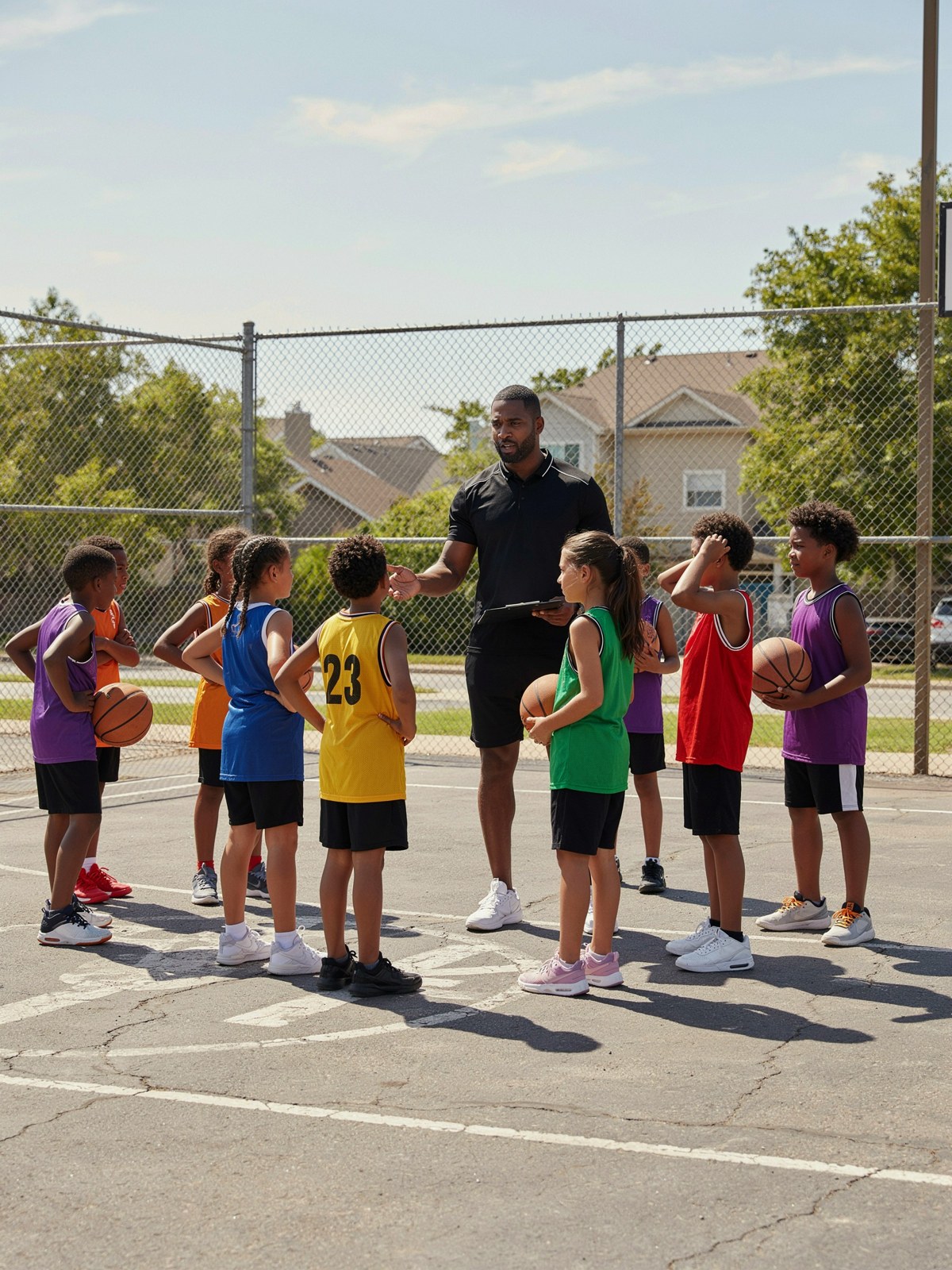
Your age and your child’s age are different pathways. Choose a child-age filter for activities; the resource collection below is organized for your fatherhood chapter.
Find out what makes each person feel noticed.
Try together 9–12 · MissionCreate an outing with no purchases required.
Try together 13–17 · ConversationOffer connection without requiring a formal heart-to-heart.
Try together 6–8 · GameDiscover what helps instructions make sense.
Try together 9–12 · ConversationPractice asking what support is wanted.
Try together 13–17 · ExperimentUnderstand a disagreement before solving it.
Try togetherA MOMENT TO PRACTICE
You arrive home exhausted. Your child wants time with you, and you also need to recover.
A BIGGER TOOLKIT. A CLEARER PATH.
Original action guides, checklists, conversation practices, and planning tools. Each new resource includes practical steps, a focused exercise, and a link to background reading.
260 matching resources · Showing 1–18
Saved guides stay on this device.Foundations · Action guide
Presence grows through small, repeatable moments. Start with time you can realistically protect.
Foundations · Action guide
A calm response can make a limit easier to understand. The goal is safety, connection, and teaching a skill.
Foundations · Action guide
Children learn that feelings can be named, understood, and expressed safely when adults model it.
Foundations · Action guide
Keep routine messages brief, factual, and focused on your child. Adapt these scripts to your circumstances.
Foundations · Action guide
A useful budget starts with what comes in, what must go out, and the timing of both.
Foundations · Action guide
Readiness includes the full ongoing cost of housing, beyond a monthly mortgage payment.
Foundations · Action guide
You deserve support before you reach a breaking point. Self-care can support well-being and professional treatment.
Foundations · Action guide
A welcoming school presence starts with school approval, reliable volunteers, and a role centered on belonging.
Physical health · Checklist
Bring useful observations to a conversation about heart health.
Physical health · Planning tool
Turn scattered family knowledge into questions for your clinician.
Physical health · Checklist
Persistent sleep concerns deserve a clinical conversation rather than a gadget-only solution.
Physical health · Planning tool
Build a realistic sleep conversation around the hours you actually work.
Physical health · Checklist
Use your health history to ask about kidney screening and prevention.
Physical health · Planning tool
Make a food change that respects culture, access, budget, and enjoyment.
Physical health · Planning tool
Find an accessible way to move that fits your body and responsibilities.
Care access · Checklist
A complete medication conversation can prevent confusion between providers.
Physical health · Conversation practice
You can ask direct questions about sexual function, testing, protection, and fertility.
Care access · Planning tool
Turn a delayed health visit into a concrete next step.
The added practices are original educational tools with background-reading links. Linked organizations have not reviewed or endorsed them. Legal materials identify North Carolina starting points where relevant; consult current local guidance for your situation. Counts represent individual guides, activities, worksheets, and scenarios. Related skills can appear in more than one practice.